

Introduction
Short, vivid planning beats vague dreaming. Whether you have a weekend, a week, or a month, a clear itinerary centered on traveler type, season, and logistics turns inspiration into a trip you can actually pack for.
Main Insight
Match pace to people: solo travelers often cover more ground but need safety buffers; families need predictable transit and rest days; budget travelers trade time for cost savings; road trips require staging for driving hours and vehicle checks. Season dictates route, gear, and daily hours—plan the itinerary around daylight, weather windows, and local rhythms.
Practical Tips
1) Define trip length and top 2 priorities (nature, culture, relaxation). 2) Budget in ranges: low-cost (hostels, public transit), mid-range (guesthouses, car rental split), flexible for local surprises. 3) Logistics checklist: permits, parking, transit times, and a buffer day. 4) Safety: share an ETA, download offline maps, and carry a small first-aid kit. 5) Local experiences: book one guided activity run by locals and eat at a neighborhood market to learn context. 6) For hiking or road trips, pack layered clothing, navigation tools, and a basic repair kit.
Real Example
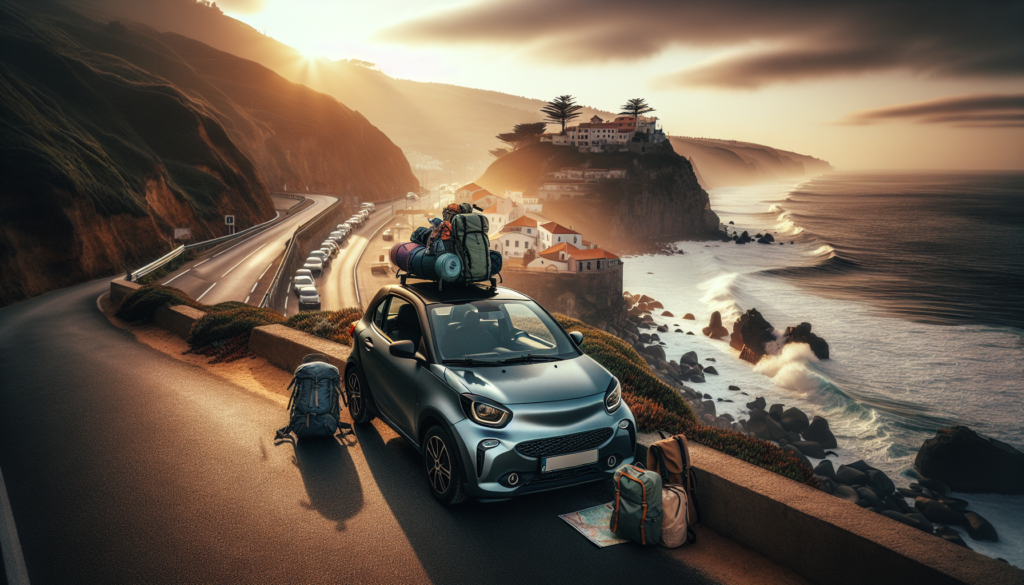
A 6-day coastal road-and-hike itinerary for mixed groups: Day 1 travel and grocery stop; Day 2 short coastal hike + village market; Day 3 longer inland trail with picnic; Day 4 rest day in small town; Day 5 sunrise viewpoint and return drive; Day 6 buffer and departure. Best seasons: shoulder months to avoid crowds and heat. Expect varied daily costs depending on accommodations and guided activities.
Conclusion
Plan around people, not places: set realistic daily goals, pack for the season, and leave room for the local moments that make an itinerary memorable.