
Introduction
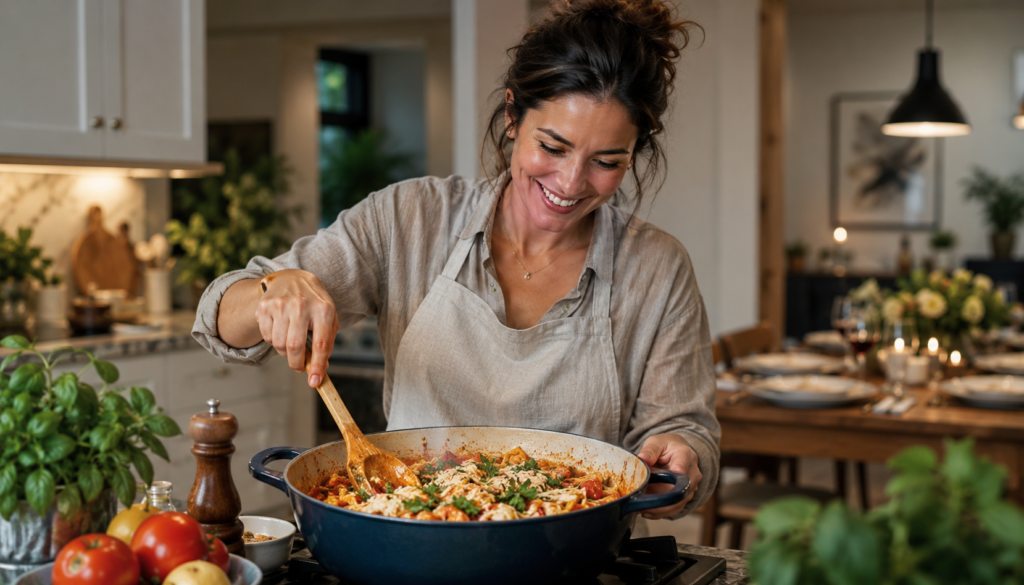
Busy weeknights demand food that tastes like you had more time than you did. One-pot recipes are the secret: they cut hands-on time, reduce dishes, and concentrate flavor in a single pan. This article is for parents racing between activities, roommates sharing a tiny kitchen, and solo cooks who want a satisfying, affordable meal without fuss. Read on for a clear approach to one-pot dinners that are fast, family-friendly, and adaptable to seasons and budgets.
Main Insight
The core idea is practicality married to flavor: choose a simple cooking method, a high-impact base ingredient, and a finishing technique that brightens everything. One-pot dinners work because starch, protein, and vegetables cook together and exchange flavors; the trick is timing and layering. Start with aromatics (onion, garlic, ginger), build with toasted spices or a splash of acid, add the longest-cooking element first, then finish with quick greens or a fresh sauce to lift the whole dish. This sequence keeps textures distinct and prevents overcooking while still delivering deep, homey flavor.
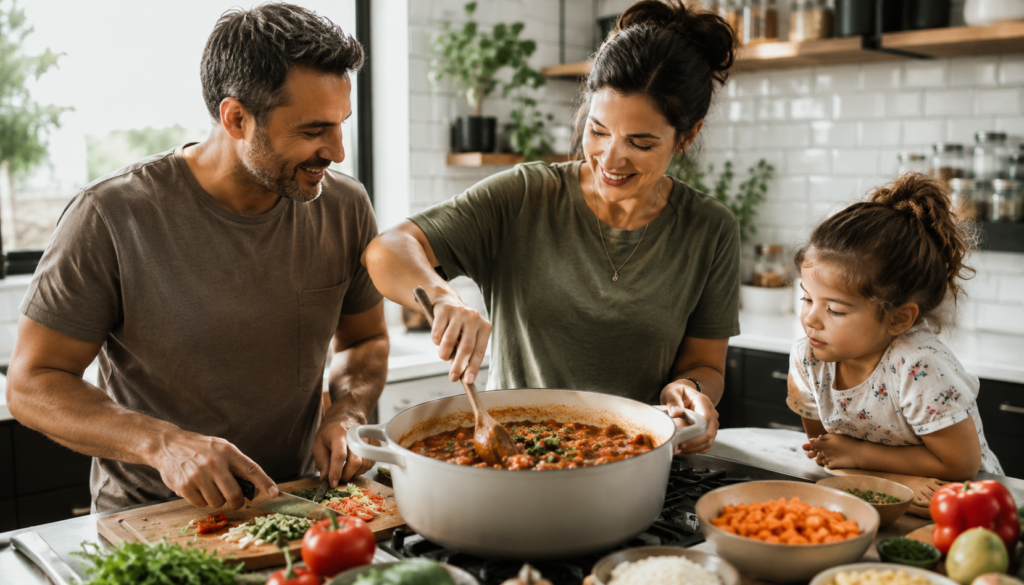
One-pot weeknight recipes help busy families save dinner time with simple prep, fresh ingredients, fewer dishes, and comforting homemade meals.
Practical Tips
1. Pick the right vessel: a wide, heavy-bottomed skillet or Dutch oven gives even heat and room to stir. For rice-based one-pots, a lidded saucepan or snug Dutch oven is best.\n
2. Plan timing: expect 20–40 minutes for most one-pot dinners. Sauté aromatics (3–5 minutes), brown protein (3–6 minutes), simmer grains or starchy vegetables (15–25 minutes), then stir in quick-cooking greens or herbs (2–3 minutes).\n
3. Use concentrated flavor anchors: a spoonful of tomato paste, a good stock cube, or a splash of soy sauce/anchovy paste delivers big taste without long simmering. For creamy one-pots, finish with a swirl of yogurt or coconut milk off the heat to avoid breaking.\n
4. Layer textures: if you want crisp-tender vegetables, add them later. Root vegetables—carrots, potatoes, parsnips—go in early. Peppers, peas, and spinach arrive at the end.\n
5. Realistic substitutions: no chicken? Use canned beans or extra mushrooms. Out of arborio rice? Use long-grain rice but reduce liquid slightly and bake covered 18–22 minutes after simmering. No fresh herbs? Use a teaspoon of dried herbs, added earlier.\n
6. Batch-friendly meal prep: double the recipe and refrigerate in portioned containers. Reheat gently on the stovetop with a splash of water or broth to loosen. Freeze single portions of stews or saucy one-pots for 2–3 months; avoid freezing dishes with cream—use dairy after thawing.\n
7. Flavor finishers: acid brightens—lemon, vinegar, or a few dashes of hot sauce. Textural contrast—toasted nuts, quick-pickled onions, or a drizzle of good olive oil—makes a simple dish sing.\n
8. Budget moves: swap pricier proteins for canned fish, lentils, or eggs. Buy seasonal produce or frozen vegetables; they’re often more affordable and just as nutritious.
Real Example
Weeknight Tomato-Garlic Chickpea Skillet (serves 4)\n
What it is: A 30-minute, one-pan vegetarian dinner that pairs pantry staples with a bright finish—great for families or students.\n
Why it works: Canned chickpeas add protein and starch that hold up to simmering. Tomato paste and a splash of vinegar create concentrated, savory depth. Spinach or kale stirred in at the end provides freshness and color.\n
Time: 30 minutes total.\n
Ingredients to prioritize: canned chickpeas, canned crushed tomatoes, onion, garlic, tomato paste, a sturdy green (spinach or kale), and lemon or vinegar. Optional: smoked paprika or cumin for warmth, feta for finishing.\n
Step-by-step (high-level):\n- Sauté a diced onion in 1–2 tablespoons of oil until translucent (4–5 minutes). Add 3 minced garlic cloves and 1 teaspoon smoked paprika; cook 30 seconds.\n- Stir in 2 tablespoons tomato paste and toast 1 minute. Add one 14-oz can crushed tomatoes and one 14-oz can drained chickpeas. Pour 1/2 cup water or broth.\n- Simmer gently, uncovered, for 12–15 minutes until slightly reduced. Fold in 4 cups packed spinach and let wilt (2 minutes). Season with salt, pepper, and 1 tablespoon red wine vinegar or lemon juice.\n- Finish with crumbled feta or toasted pine nuts if desired. Serve over rice or with crusty bread.\n
Real substitutions: Swap chickpeas for canned white beans; use frozen spinach instead of fresh (add earlier); replace paprika with curry powder for an Indian twist. To add protein, tear in leftover rotisserie chicken near the end and warm through.
Conclusion
One-pot weeknight recipes are more than convenience; they’re a way to cook confidently when time is scarce and tastes matter. With a reliable sequence—aromatics, anchor flavor, timed additions, and a bright finish—you can turn pantry staples into meals families actually ask for again. Start with a few template recipes like the chickpea skillet, then tweak seasonings, proteins, and seasonal vegetables. The result: fewer dishes, less stress, and dinners that feel deliberate, not thrown together.