
Introduction
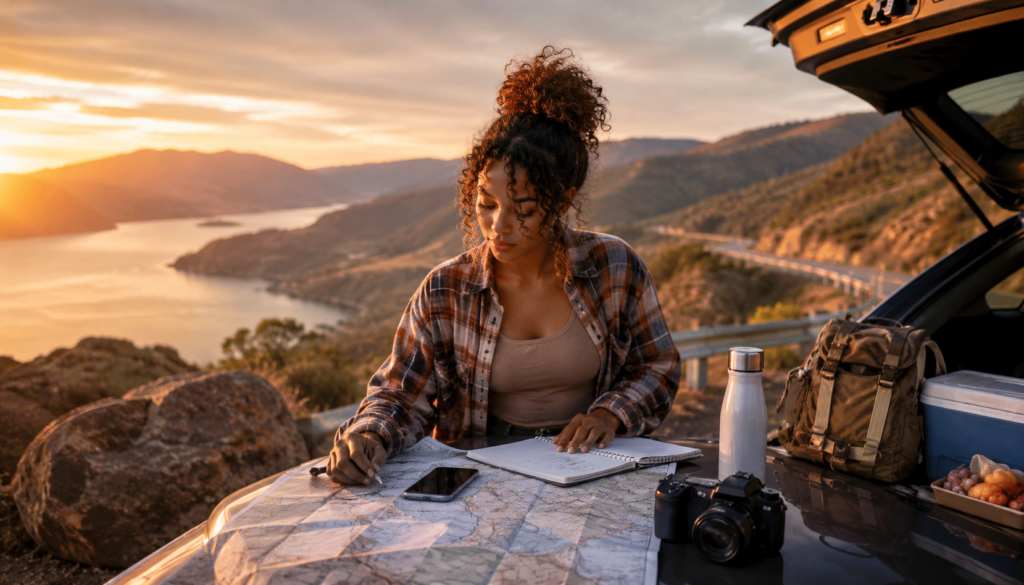
A three-day solo road trip can feel like a tiny epiphany: two nights, one car, a long ribbon of highway, and enough freedom to chase sunrise viewpoints or a local diner pie. The trick is planning so the trip delivers big experiences without draining your wallet. This article lays out a compact, practical travel itinerary for solo travelers who want outdoor adventure, local culture, and smart budgeting—plus a checklist of hiking essentials and safety steps to keep the journey both thrilling and sensible.
Main Insight
A short solo road trip saves money when you design the route around cheap, high-value experiences: scenic drives, public hikes, community markets, and affordable local stays. Rather than packing each day with pricey attractions, prioritize one meaningful activity per day (a long hike, a cultural stop, a food market) and use low-cost solutions—campgrounds, hostels, grocery-prepared meals, and off-peak timing—to keep expenses in check. This approach gives you space to explore, rest, and connect with local culture, while limiting fatigue and unnecessary spending.
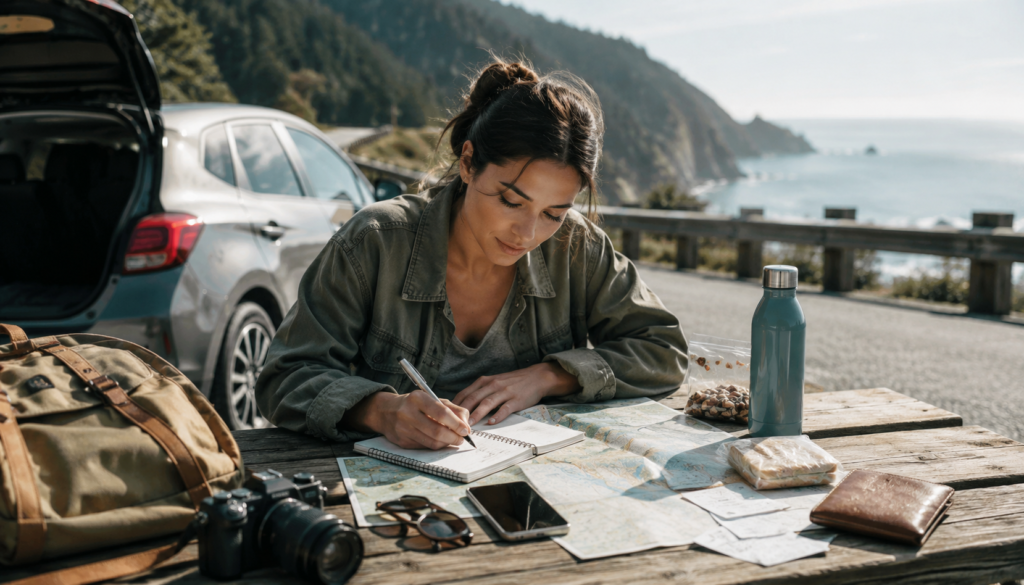
A 3-day solo road trip can save money with smart route planning, packed essentials, scenic stops, flexible timing, and a simple travel budget.
Practical Tips
1) Choose a compact radius: Pick destinations within a 2–4 hour drive so you spend more time exploring and less time behind the wheel. This reduces fuel costs and makes the route flexible if weather or mood changes.
2) Time your travel: Depart early on day one to catch cool morning light and avoid peak traffic. Travel midweek or shoulder-season when lodging and campsites are cheaper and popular trails are quieter.
3) Pack a lightweight kitchen: A small stove, reusable bowl and utensils, and a cooler transform grocery staples into memorable meals—breakfast oats at a trailhead, lunch picnic after a viewpoint, or an evening pasta cooked under the stars. Fooding this way cuts dining expenses and often leads to better meals.
4) Mix lodging types: Sleep one night in an inexpensive private room or hostel and one night outdoors at a safe, legal campsite. This balances comfort with savings and gives you two different local experiences.
5) Prioritize one paid activity: Allocate budget to one local experience that matters—maybe a guided canyon walk, a museum with a strong cultural program, or a cooking class in a small town—so your trip has an anchor memory without multiple fees.
6) Fuel and efficiency: Use apps to monitor fuel prices and plan the most fuel-efficient route. Combine backroad scenic detours with a single main highway leg to avoid long, expensive deviations.
7) Safety and preparedness: Tell a friend your rough route and check in once a day. Carry a physical map or offline maps, a headlamp, basic first-aid, and a charged power bank. For hikes, follow Leave No Trace and check local trail conditions before you go.
8) Local culture on a budget: Visit farmers’ markets, small galleries, and community cafés. Strike up conversation with a shop owner about a local festival or the best trail for sunset—these low-cost interactions often yield the most memorable moments.
9) Hiking essentials: Lightweight daypack, layered clothing, waterproof shell, sturdy boots, water filtration or purification tablets, trail snacks, sun protection, navigation (map/GPS), and a small emergency kit. Test shoes and pack weight on a practice walk before the trip.
Real Example
Sample 3-day itinerary for a solo traveler based out of a mid-sized city:
Day 1 — Drive & Short Hike: Leave before dawn and drive to a national forest or state park 2–3 hours away. Stop at a roadside bakery for breakfast. Take an afternoon 4–6 mile loop hike that finishes at a lake or overlook. Set up camp at a nearby campground or check into an affordable small-town guesthouse. Evening: cook dinner, watch sunset, journal or photograph the sky.
Day 2 — Culture & Market: Sleep in later, then explore the nearest town’s farmers’ market or a local museum (choose one paid experience to support the community). Have lunch at a café recommended by locals. In the afternoon, do a short out-and-back hike or scenic drive to a lookout. Night two: stay at a hostel or a budget private room to recharge. Use this evening to do laundry and repack for a lighter final day.
Day 3 — Sunrise Hike & Homeward: Wake early for a sunrise trail or coastal bluff walk. Pack a simple breakfast to eat at the summit. Begin the drive home midday, stopping at a small roadside attraction or state park for a picnic and one last short walk. Arrive home with time to unwind and reflect on the trip’s highlights.
Budget framing: this structure keeps costs low by focusing on free or low-fee natural attractions, one paid cultural experience, grocery meals, and mixed-budget lodging. Adjust nights, drive time, and activities to your comfort, season, and safety needs.
Conclusion
A three-day solo road trip proves that rich travel doesn’t require lavish spending—just thoughtful choices. Plan a tight radius, choose one meaningful paid experience, alternate lodging styles, and prioritize lightweight gear and safety. When you center the trip on a powerful sensory moment—sunrise on a ridge, an unexpected conversation at a market, a quiet night under the stars—you return home with a fuller sense of travel, not a lighter bank account. Pack smart, leave room for surprises, and let a small itinerary be your permission to roam thoughtfully.