
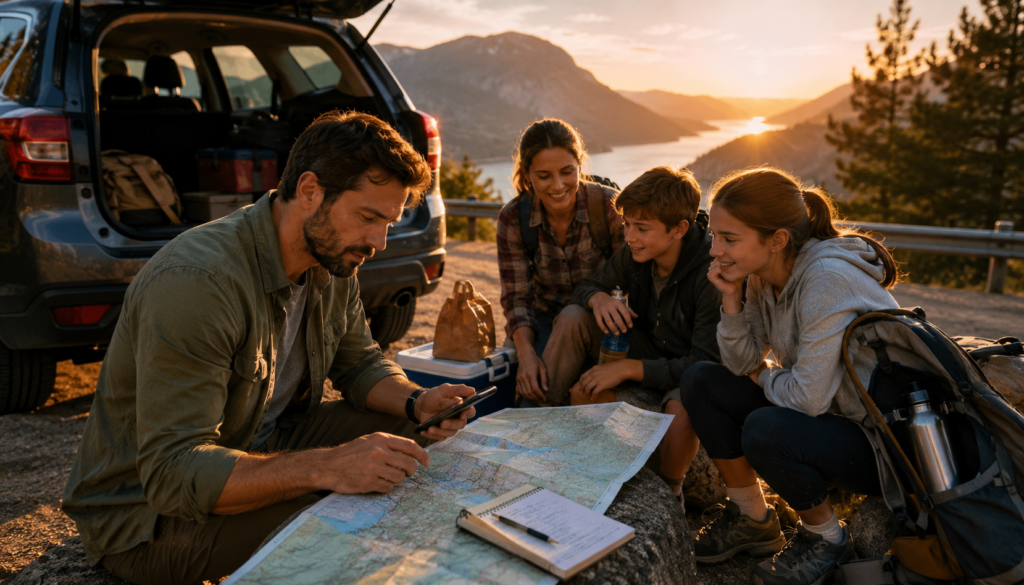
Introduction
A 48-hour road trip can feel like a small, perfectly formed adventure: sunrise coffee at a mountain overlook, a stiff-legged hike to a waterfall, dinner at a roadside diner where servers know the regulars. This travel itinerary shows how to do that weekend well on a tight budget, whether you’re traveling solo with a backpack or packing the minivan with kids. It focuses on realistic logistics, seasonal choices, safety, and ways to keep costs down without skimping on memorable local moments.
Main Insight
The core idea is simple: compress the planning so every hour counts. A good weekend road trip balances a sensible route, one real outdoor experience, and a local meal that tells a story. Pick a drive of three hours or less each way, choose one anchor activity (a hike, a paddle, a museum visit), and plan two flexible windows for rest and spontaneous discovery. This keeps stress low for families and solo travelers alike while preserving room for local culture, short hikes, and sustainable choices like packing meals or using established campgrounds.
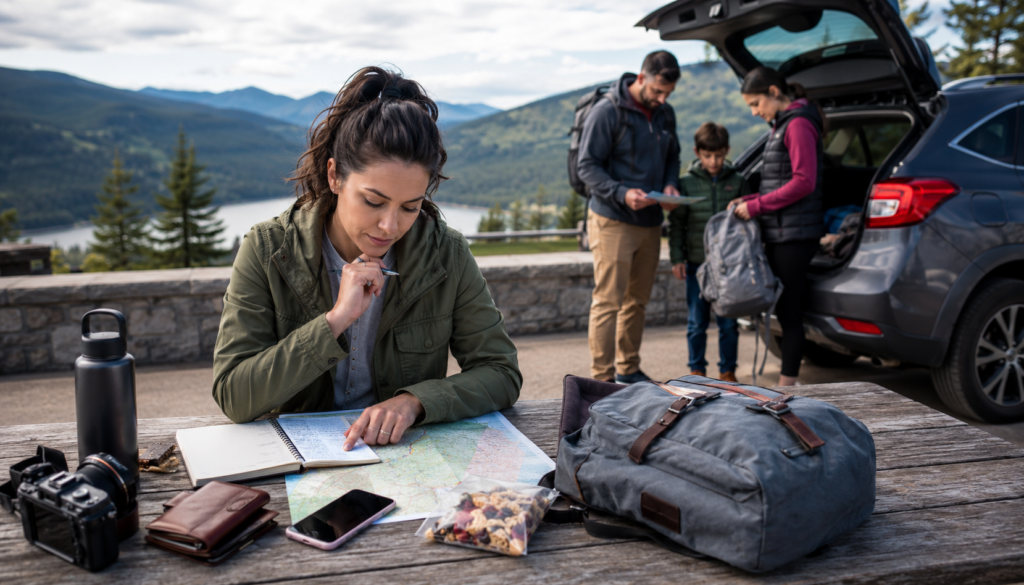
A smart weekend travel itinerary helps solo travelers and families enjoy budget-friendly road trips with simple planning, scenic stops, packed essentials, and flexible adventure routes.
Practical Tips
1. Choose the route and anchor activity: Aim for 2–3 hours of driving to your primary town or natural area. Anchor activities work well at midday—an easy-moderate hike for families, a longer summit hike for solo hikers, or a community market visit for cultural immersion.
2. Time it by season: Spring and fall are ideal for cooler hikes and cheaper lodging. Summer needs early starts to avoid heat; plan water and shade for kids. Winter road trips demand vehicle checks, winter tires, and a shorter daylight-focused plan.
3. Budget framework: Think in buckets—fuel, food, lodging, activities. For a budget road trip, expect fuel and food to be the biggest costs. Cut lodging by booking a campsite or a family room at a budget inn, and trim food costs with a picnic breakfast and one restaurant meal that showcases local flavors.
4. Packing and hiking essentials: For day hikes bring layered clothing, a small first-aid kit, 1–2 liters of water per person, snacks, headlamp, and navigation (offline maps or a paper map). For families, add extra socks, sunscreen, insect repellent, and a compact travel blanket.
5. Safety and logistics: Share your rough route and ETA with a contact, keep phone batteries charged with a car charger, and check road conditions before departure. For solo travelers, choose daytime parking spots and consider a public plan for meeting locals (like a guided walk) rather than venturing alone into remote trails.
6. Sustainable choices: Bring reusable utensils, cups, and water bottles. Use established campsites or family-friendly lodges rather than dispersed camping. Support one small local business—buying snacks at a farmer’s stand or eating at a family-run diner helps the local economy and often tastes better.
7. Flexible schedule sample: Day 1—Leave early, stop at a scenic overlook for coffee, arrive mid-morning for your anchor hike, picnic lunch, explore a small town museum or market, stay at a campsite or budget inn, have relaxed dinner. Day 2—Short local loop hike or paddle, late breakfast at a bakery, head home with a scenic stop and time for a play stop if traveling with kids.
Real Example
Imagine a family of four leaving a mid-sized city Friday evening to stay near a river canyon 2.5 hours away. Saturday morning they pack oatmeal, fruit, and thermos coffee, drive 20 minutes to a trailhead, and hike a 3-mile loop with interpretive signs. Kids collect leaves for a nature journal while parents snap photos at a sandstone viewpoint. Lunch is sandwiches at a shaded picnic table. In the afternoon they explore the town’s small pottery studio—kids try a pinch-pot lesson for a few dollars—and the family buys a loaf of local bread for tomorrow’s picnic. They camp at a nearby state park with showers and a playground; dinner is grilled chicken and roasted veggies cooked on a portable stove. Sunday starts slow with pancakes at the bakery, a riverside walk, then a relaxed drive home with a stop at a historic mill museum on the way back.
For a solo traveler, the same route becomes tighter: arrive late Friday, hike a longer ridge trail early Saturday to catch sunrise views, spend the afternoon working from a café with reliable Wi-Fi (remote-work friendly stop), and sleep at a budget B&B where the host recommends a sunset viewpoint. Solo safety measures include checking in with a friend after the hike and parking near the main trailhead.
Conclusion
A budget weekend travel itinerary doesn’t mean cutting corners on experience. It means choosing fewer, better moments—one real outdoor adventure, one meal that tells a story, and a relaxed rhythm that fits the traveler you are: solo explorer, family with young kids, or a remote worker craving fresh scenery. With a clear route, packed essentials, seasonal awareness, and small sustainable choices, a two-day road trip can feel cinematic and doable. Plan the bones, leave room for local surprises, and you’ll return with stories instead of exhaustion.